On This Page
What to Do When You Can’t Sleep

Our editorial process includes extensive measures to verify accuracy, provide clarity on complex topics, and present factual information. Read more
Key Takeaways
- If you can’t sleep, get out of bed after about 20 minutes and do a relaxing activity until you feel sleepy.
- Avoid screens, bright light, and clock-watching, which can increase alertness and anxiety.
- Relaxation techniques like breathing exercises or meditation can help calm the mind.
- Consistent sleep schedules and good sleep hygiene are key to preventing recurring issues.
Tips for When You Can’t Sleep
It can be frustrating to lie in bed unable to drift off or to have trouble staying asleep. There are various strategies that you can try when you can’t fall asleep.
- Get up if you can’t fall asleep: Don’t lie in bed awake for more than 20 minutes. Feeling anxious if you can’t fall asleep makes it harder to sleep. Get up and move to a different room or do something relaxing before returning to bed to sleep.
- Adjust your sleep environment: Bedroom lighting and temperature can affect your ability to fall asleep. Quiet, dark bedrooms with a cool temperature are best for sleep.
- Avoid technology: Cell phones and other technology are stimulating and emit blue light that can keep you awake. Set devices to silent or remove them from the bedroom to avoid disruptive notifications or scrolling through news and social media while lying in bed.
- Engage in a relaxing activity: Listening to soothing music, reading a book, or practicing a deep breathing exercise (see below for examples) can make you drowsy and promote sleep.
- Clear your mind of stress: If the stress of your day is making it difficult to fall asleep, consider writing down any worries in a journal. This practice can free the mind to focus on sleep.
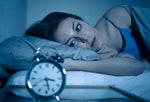
- Adjust the clock face: Avoid looking at the clock by covering it up or turning it away from you. If you focus on the time and sleeplessness you may have more trouble falling asleep.
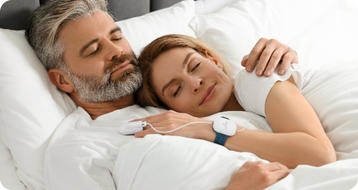
Don’t Just Test Your Sleep. Understand It.
Measure key sleep metrics and review your results with a licensed sleep-care provider. Discuss sleep issues and options to make restless nights a thing of the past.


Relaxation Techniques to Help You Fall Asleep
Stress is a common cause of insomnia. Finding ways to relieve stress is key for many people to getting a better night’s rest. Relaxation techniques are one approach to reducing stress and improving the ability to fall asleep.
It takes practice to learn relaxation techniques for stress relief and better sleep. Over time, it may become easier to fall asleep and stay asleep using one or a combination of techniques.
Deep Breathing
Deep breathing exercises are a simple and established way to relieve stress and may help with sleeplessness. This exercise requires a few simple steps.
- Lie down on the bed, find a comfortable position, and close your eyes.
- Gently rest one hand on your chest over the heart and the other hand on your stomach.
- Slowly inhale, noticing your stomach rise.
- Hold your breath for a few seconds.
- Slowly exhale, noticing your stomach fall.
- Continue this pattern of breathing to help release stress and tension in the body.
Progressive Muscle Relaxation
Progressive muscle relaxation (PMR) is a stress-reduction technique that may help people relax and fall asleep more easily. The method involves repeatedly tensing and relaxing different muscle groups throughout the body and can become more effective with regular practice.
- Find a comfortable position lying down and close your eyes.
- Gently tense the muscles in your face while breathing in for five seconds. Notice how the tension feels.
- Release the muscle tension in your face while breathing out, noticing the sensation as your muscles relax.
- Move down to the next muscle group, such as the shoulders. Gently tense the muscles while breathing in for five seconds. Exhale and release muscle tension.
- Continue moving through the muscle groups in your body from head to toe. Focus on breathing in as you tense your muscles and exhale as you release tension.
- Notice the sensations of tension and relaxation as you tense and release your muscles. If you feel pain in a muscle group as you work through the exercise, soften or release tension.
Body Scan
Some people find the practice of body scans helpful in promoting sleep. The goal of this technique is to shift attention to your body and breathing for relaxation, noticing any feelings or sensations in your body without aiming to change them.
- Lie in a comfortable position, preferably on your back. Center your attention on your body and breath. Throughout the exercise, recenter your attention if you get distracted.
- Start at the top of your head. Feel where your head makes contact with your bed or pillow and recognize any pressure or sensations.
- Work your way down through your face. Take notice of any tingling or tightness before continuing to your throat.
- Notice any sensations and feelings in your throat and down through your neck, shoulders, and back. Acknowledge any pressure or tension that may be present.
- Continue downward through your torso to your legs and feet, noticing the weight of your body and limbs against your sleeping surface. Recognize how your body feels, including pain, tension, or other sensations.
If you experience any worrying or anxious thoughts throughout the exercise, recognize them and turn your focus back to the body scan exercise.
How to Establish Better Sleep Habits
Aside from exploring relaxation techniques, people can make changes to their sleep hygiene as a way to improve and maximize their sleep health. Sleep hygiene refers to healthy sleep habits that involve the sleep routine, the sleep environment, and lifestyle choices.
Sleep Routine
Developing a bedtime routine that prioritizes sleep and a consistent sleep schedule is an important part of improving sleep. Healthy sleep routines help support your body’s natural sleep-wake cycle, which regulates feelings of sleepiness and alertness based on your internal clock.
- Set consistent sleep and wake times: Wake up and go to bed at the same time every night, including weekend nights. Altering sleep and wake times on weekends by more than an hour can disrupt your sleep-wake cycle.
- Make sleep a priority: Establish a schedule that makes time for adequate relaxation and sleep. This may sometimes mean rescheduling activities that don’t require immediate attention to another day.
- Prepare your body for sleep: Preparing for sleep can include activities, such as taking a shower and brushing your teeth. Reading a book, listening to music, or practicing a relaxation technique can also get your body and mind ready for sleep.
Lifestyle
A successful sleep hygiene regime often includes specific lifestyle choices that promote healthy sleep. Certain lifestyle choices can help support the sleep-wake cycle and better sleep.
- Avoid large meals before bed: A small snack may not cause sleep issues, but eating large meals before bed can lead to indigestion and make it difficult to sleep.
- Exercise earlier in the day: Exercise during the day can help tire your body making it easier for you to fall asleep. Try to get 30 minutes of physical activity most days.
- Avoid nicotine and caffeine: Consuming stimulants such as caffeinated beverages and nicotine products before bed can make it hard to fall and stay asleep.
- Get enough sunlight: Sunlight exposure supports our body’s sleep-wake cycle and sleep patterns. Making time for 30 minutes of natural sunlight a day can help you sleep.
- Avoid alcohol: Drinking alcohol before bed reduces your time in deep sleep, can compromise breathing, and can cause you to wake when the effects of alcohol fade.
Sleep Environment
Creating a sleep environment that promotes healthy sleep is important for a good night’s rest. You can improve your sleep environment with simple adjustments.
- Set the room to a comfortable temperature: Many people find a cool bedroom — between 65 and 68 degree Fahrenheit — best for sleeping.
- Minimize light: A dark room can signal your body it is time to sleep. Eliminating light in the bedroom, with the exception of a dim night light, may help encourage drowsiness. This includes limiting light from electronic devices.
- Minimize noise: Noise can disrupt our ability to fall asleep and stay asleep. Remove anything from the sleeping area that may be a noise distraction.
- Use the right bedding: A comfortable pillow and mattress can help you get a good night’s sleep. It can be helpful to identify your ideal firmness or softness preferences if you are considering a new pillow or mattress.
Personalized Support for Sleep Issues
If you’re dealing with ongoing sleep problems, personalized guidance may help you better understand what’s affecting your rest and how to improve it.
Sleep Doctor’s Sleep Consult offers a one-on-one session with a sleep expert who can help identify habits, routines, and lifestyle factors that may be interfering with sleep. This may be helpful for people struggling with occasional insomnia, inconsistent sleep schedules, stress-related sleep problems, or difficulty falling and staying asleep.
For people looking for more ongoing support, Sleep Doctor's Sleep Coaching provides personalized coaching designed to help improve sleep habits, build healthier nighttime routines, and create long-term strategies for better sleep. Ongoing coaching may also provide accountability and practical guidance while working toward more consistent, restorative rest.
When to Talk to a Doctor
Occasional sleepless nights are common, but ongoing sleep problems may be a sign of insomnia or another underlying health issue. Consider talking with your doctor if trouble falling asleep, staying asleep, or waking up too early becomes frequent or starts affecting your daily life.
You may also want to seek medical advice if poor sleep is causing excessive daytime sleepiness, trouble concentrating, mood changes, irritability, or difficulty performing at work or school. In some cases, insomnia may be linked to conditions like anxiety, depression, chronic pain, sleep apnea, or medication side effects that may require treatment.
Your doctor can help identify possible causes of your sleep difficulties and recommend treatments, lifestyle changes, or behavioral therapies that may improve sleep quality. If a sleep disorder is suspected, they may also recommend a sleep study or referral to a sleep specialist for further evaluation.
References

The Sleep Doctor Forum
Real Experiences, Real Connections
Continue the discussion on the Sleep Doctor Forum. Connect with experts and fellow forum members on CPAP, sleep apnea, and all things sleep. A priceless resource that’s free to join.