On This Page
Treatment for Insomnia


Our editorial process includes extensive measures to verify accuracy, provide clarity on complex topics, and present factual information. Read more
Key Takeaways
- Insomnia treatment often involves a combination of lifestyle changes, improved sleep habits, stress management, and behavioral therapies.
- Cognitive behavioral therapy for insomnia (CBT-I) is considered one of the most effective long-term treatments for chronic insomnia.
- In some cases, medications or supplements may help manage insomnia symptoms, but they're usually recommended alongside healthy sleep practices.
- Treating underlying issues like anxiety, depression, chronic pain, or sleep disorders may also help improve insomnia and overall sleep quality.
Cognitive Behavioral Therapy for Insomnia (CBT-I)
Cognitive behavioral therapy for insomnia (CBT-I) is often the best first treatment for chronic insomnia. Cognitive behavioral therapy is a counseling treatment in which the therapist helps a person identify and change thoughts and behaviors that may be causing sleep disruption. There are several components of CBT-I.
- Education: The therapist teaches the person with insomnia about the basics of sleep. For example, they discuss how the circadian rhythm, the body’s internal clock, regulates when a person feels alert or tired. The therapist also reviews how physical and mental alertness can lead to insomnia.
- Sleep restriction therapy: A person with insomnia may spend a lot of time in bed lying awake. Sleep restriction therapy aims to reduce this ineffective time and ultimately increase actual sleep time.
- Stimulus control therapy: The person with insomnia is encouraged to associate the bedroom with sleep. This may mean getting out of bed if sleep is difficult and not coming back into bed until sleepy.
- Cognitive therapy: Cognitive therapy aims to eliminate negative thoughts and anxiety about sleep.
- Relaxation techniques: Several relaxation strategies are often incorporated into cognitive behavioral therapy. Progressive muscle relaxation involves tensing and relaxing groups of muscles to reduce stress in the body. Deep breathing from the diaphragm can also help the body relax and prepare for sleep.
Brief Behavioral Treatment for Insomnia
Sometimes, a scaled-down version of cognitive behavioral therapy, called brief behavioral treatment for insomnia (BBTI), is used to change mindsets and behaviors that affect sleep. BBTI primarily uses sleep restriction and stimulus control. If insomnia doesn’t improve after four weeks of BBTI, doctors may recommend CBT-I instead.
Sleep Hygiene
Sleep hygiene is the practice of habits that promote better-quality sleep. People with insomnia may practice sleep hygiene by itself or as part of CBT-I. Sleep hygiene has several components.
- Create a regular sleep schedule: Keep a consistent bedtime and wake-up time on both weekdays and weekends.
- Remove electronics from the bedroom: Avoid using TVs, phones, or tablets in the bedroom. The light from these devices can make it difficult to fall asleep.
- Be active during the day: Regular daytime exercise can make falling asleep easier at night.
- Avoid certain foods and beverages near bedtime: Stay away from large meals, alcohol, and caffeine before going to bed.
- Make a comfortable sleep environment: A bedroom should be quiet, dark, and cool.
- Relax at night: Try reading or taking a warm bath to wind down before bedtime.
- Use the bed only for sleeping and sex: If you can’t fall asleep after about 20 minutes, get out of bed until you feel sleepy.
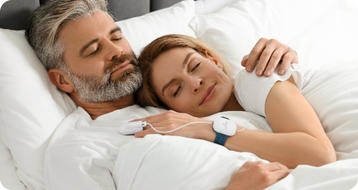
Don’t Just Test Your Sleep. Understand It.
Measure key sleep metrics and review your results with a licensed sleep-care provider. Discuss sleep issues and options to make restless nights a thing of the past.


Sleep Aids for Insomnia
Sleep aids, such as prescription and over-the-counter medications, can help some people manage their insomnia. The most appropriate sleep aid can depend on the type of insomnia a person has, as well as their symptoms and medical history.
A healthcare provider can help you determine whether a sleep aid might help you, and if so, which one would be best.
Prescription Medications
Prescription sleep medications may be used in some acute cases of insomnia or in chronic cases of insomnia if first-line treatments such as CBT-I aren't effective. Experts recommend that people with insomnia who take sleep aids also practice sleep hygiene and receive CBT-I, if possible.
The most commonly prescribed medications for insomnia are z-drugs and benzodiazepines.
- Z-drugs: Also called non-benzodiazepine hypnotics, Z-drugs are the class of medications that doctors most frequently prescribe for insomnia treatment. Z-drugs are sedatives that can shorten the amount of time it takes to fall asleep, but they can also cause side effects such as dizziness, hallucinations, and loss of memory.
- Benzodiazepines: These sedative drugs act on the GABA receptors in the brain to lower a person’s anxiety and relax their muscles. But doctors don’t often recommend benzodiazepine use for long periods of time because they're frequently abused and can ultimately lead to poorer sleep quality.
Other prescription medications, such as certain antidepressants, are sometimes prescribed for insomnia, but these aren't appropriate for everyone. A person’s doctor is in the best position to evaluate what medication options, if any, would be most suitable to improve their sleep.
Over-the-Counter Sleep Aids
Over-the-counter (OTC) sleep aids don't require a prescription from a doctor. Most of these sleep aids contain antihistamines, a typical allergy treatment. However, because the body quickly adjusts to these sleep aids, they may not be an effective, long-term solution for insomnia.
Side effects of OTC sleep aids may include daytime fatigue or grogginess and confusion or memory problems in older adults. OTC medicines may also interact with other medications, affect pregnancy, or make other medical conditions worse.
Before taking an OTC sleep aid for insomnia, talk to your healthcare provider. Your doctor can discuss whether these aids are right for you, based on your unique circumstances.
Melatonin
Another common sleep aid is the dietary supplement melatonin. Melatonin supplements are often taken in the evening, when the body naturally produces natural melatonin to help regulate the sleep-wake cycle.
Although melatonin is most often taken to help promote sleep, evidence of its effectiveness in treating insomnia is limited. While it can help people with insomnia fall asleep initially, it may be less effective for helping people stay asleep throughout the night.
Dietary Supplements
Several other dietary supplements are marketed as natural remedies for insomnia. These include chamomile, valerian root, kava, and wuling. However, there isn't enough evidence that these supplements are effective treatments for insomnia, and both valerian root and kava may produce unwanted side effects.
Cannabis
Cannabis and some of the chemicals found in cannabis, such as tetrahydrocannabinol (THC) and cannabidiol (CBD), have been suggested as possible treatments for insomnia. However, evidence of their effectiveness remains limited and mixed. Further research may be needed before cannabis can be recommended for this disorder.
Treating Coexisting Conditions
Insomnia may lead to other medical conditions, while certain disorders may play a role in the development of insomnia. Effective treatment for insomnia often involves treating both the insomnia and coexisting conditions.
For example, 40% of people with insomnia also have depression. In cases where insomnia is caused by depression, treatment for depression may alleviate the insomnia symptoms. However, in many other instances, both the insomnia and the condition need to be managed.
Other medical conditions linked to insomnia include chronic pain, Alzheimer’s disease, Parkinson’s disease, and other sleep disorders. Management of these conditions may help relieve some insomnia symptoms.
Personalized Support for Insomnia
If insomnia continues despite improving your sleep habits, personalized guidance may help you better understand the factors affecting your sleep.
Sleep Doctor’s Sleep Consult provides a one-on-one session with a sleep expert who can help identify habits, routines, and lifestyle factors that may be contributing to insomnia. This option may be especially helpful for people struggling with stress-related sleep problems, inconsistent sleep schedules, or difficulty falling or staying asleep.
For people looking for more ongoing support, Sleep Doctor's Sleep Coaching offers personalized coaching designed to help improve sleep habits, create healthier routines, and build long-term strategies for better sleep. Ongoing coaching may also provide accountability and practical guidance while working toward more consistent, restful sleep.
Which Insomnia Treatment Is Right for You?
The goals of insomnia treatment are to improve a person’s quality of sleep, increase the total time spent sleeping, and improve daytime functioning. Appropriate treatment for insomnia depends on how much distress the symptoms cause. Treatment is also based on whether the disorder is short-term or chronic.
The symptoms of short-term insomnia, also known as acute insomnia, occur fewer than three times a week and last less than three months. They are often triggered by stress or a change in routine. Short-term insomnia is typically treated by eliminating the factors causing it. If the symptoms are severe, certain medications may also be used.
People with chronic insomnia experience sleep disruption at least three times a week, and symptoms last for three months or longer. However, most people with chronic insomnia actually experience symptoms for years. Treatment for chronic insomnia typically begins with behavioral therapy and then sleep medication as needed.
When doctors select treatment for someone with insomnia, they consider other medical conditions the person may have. For example, older adults may have medical, neurologic, sleep, or psychiatric conditions that contribute to their symptoms. These conditions can also affect the treatment strategy and outcome.
References

The Sleep Doctor Forum
Real Experiences, Real Connections
Continue the discussion on the Sleep Doctor Forum. Connect with experts and fellow forum members on CPAP, sleep apnea, and all things sleep. A priceless resource that’s free to join.