On This Page
How to Fall Back Asleep


Our editorial process includes extensive measures to verify accuracy, provide clarity on complex topics, and present factual information. Read more
Key Takeaways
- If you wake up during the night, staying calm and avoiding stimulation can make it easier to fall back asleep quickly.
- Relaxation techniques like deep breathing, meditation, and progressive muscle relaxation may help quiet the mind and body before sleep.
- Avoid checking your phone, watching the clock, or turning on bright lights, since these can increase alertness and make it harder to return to sleep.
- If you can’t fall back asleep after about 20 to 30 minutes, getting out of bed and doing a calming activity may help reset your mind for sleep.
Tips to Help You Fall Back Asleep
It’s normal to wake up occasionally at night and quickly drift back to sleep. However, if you find yourself awake in the middle of the night and unable to fall back asleep, there are a few evidence-based strategies you can try.
1. Check Your Sleep Environment
If you wake up and can’t fall back to sleep quickly, scan your bedroom for anything that may be making it harder to drift off.
Having a quiet, dark bedroom that’s around 65 to 68 degrees Fahrenheit makes falling asleep and staying asleep much easier. If you feel too hot or too cold, try to adjust your body temperature by adding or removing extra blankets. You can also adjust your thermostat if needed.
Also consider the effects of light and noise. Block out any outside light as best you can with window coverings or an eye mask. Shield yourself from outside noise by turning on a white noise machine or putting in earplugs. If you have to get out of bed, try to keep the lights low.
Something called non-sleep deep rest is where you’re lying in the dark, it’s quiet, and you’re not moving. While it’s not exactly sleep, about an hour of that is worth about 20 minutes of sleep.
2. Try Relaxation Techniques
Sometimes waking up at night and not being able to fall back to sleep quickly can cause anxiety. It’s normal to worry about losing sleep or feeling tired in the morning. However, worrying too much can make it harder to fall back to sleep. Instead, try to redirect your mind away from anxieties and negative thoughts with a relaxation technique.
- Diaphragmatic breathing: Place one hand on your chest and one hand on your stomach. Slowly breathe in, directing all your breath into your diaphragm. You should feel the hand on your stomach rise. Try to avoid breathing into your chest and breathe at a pace that’s comfortable.
- Progressive muscle relaxation: This technique involves slowly scanning your body and making an effort to tense and then relax all the major muscle groups from your head to your toes. You can follow along with a video or find instructions online to help you get started.
- Mindfulness meditation: Mindfulness meditation can help you gain control over your thoughts and emotions by teaching you to focus on the present. The easiest way to get started is to focus your attention on your breath and notice when your mind wanders.
If you’ve never performed any relaxation techniques, you may want to try them during the day. With a little practice, these techniques may help you tap into a more relaxed state that’s helpful for sleep.
3. Don’t Lie Awake in Bed
If you’re still struggling to fall asleep after 30 minutes, try getting out of bed for a little while. One tenet of good sleep hygiene is to only use your bed for sleep and sex. Getting out of bed when you’re awake for too long helps strengthen the association in your mind between your bed and sleep.
Spending too much time awake in bed, especially if you’re feeling anxious about losing sleep, can be counterproductive. As a result, it’s best to get up and do something else until you feel ready for sleep again. Try to pick a relaxing activity like reading a good book and avoid bright screens or lights.
4. Consider a Sleep Coach
If you’ve tried improving your sleep habits on your own but still struggle to fall back asleep during the night, working with a sleep coach may help. Sleep Doctor’s 1:1 Sleep Consult offers a one-time consultation with a sleep expert. This can be helpful if you want professional guidance on issues like nighttime awakenings, insomnia symptoms, sleep schedules, or improving your sleep environment.
If you’re looking for more ongoing support and accountability, Sleep Doctor Sleep Coaching provides a more comprehensive coaching experience with personalized strategies, education, and continued guidance designed to help improve sleep habits and overall sleep quality over time.
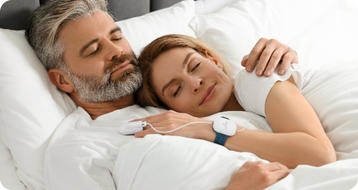
Don’t Just Test Your Sleep. Understand It.
Measure key sleep metrics and review your results with a licensed sleep-care provider. Discuss sleep issues and options to make restless nights a thing of the past.


How to Go Back to Sleep After a Nightmare
Nightmares are frighteningly vivid and can startle you from sleep. This can lead to a racing pulse, sweating, and feelings of panic. By engaging your body’s natural relaxation response, you can bring your heart rate and blood pressure down while relieving tension in the body.
- Guided imagery: Visualize yourself in a new situation that’s completely relaxing, like in a still forest or on a beach with a gentle current. This focus on calming surroundings can help relax your body.
- Relaxation techniques: Other general relaxation techniques are also helpful for relieving the stress from a nightmare. Diaphragmatic breathing, progressive muscle relaxation, and mindfulness meditation can all help bring you into a state of deeper relaxation after experiencing a nightmare.
- Journaling: Writing down your nightmare in a journal may help you process the memory and relieve some of the heightened emotions surrounding the dream. This may be a good strategy if you can’t fall back asleep after 20 or 30 minutes and need to get up and do a quiet activity until you’re sleepy again.
What to Avoid When You Wake Up at Night
Waking up at night and not being able to fall back to sleep can be stressful, but it’s important to maintain good sleep habits. Reaching for your smartphone or watching the clock may seem like a good way to drift off, but these activities can actually make it more difficult to get a good night’s sleep.
- Screen time: Artificial lights like your smartphone, tablet, or TV can make it harder to fall asleep. Screens emit blue light and send a signal to the brain that it’s time to be awake and alert. Additionally, scrolling through your social media feed in bed is more likely to be associated with anxiety than restful sleep.
- Watching the clock: Keeping tabs on the time while lying awake in bed is associated with insomnia and can lead to more anxiety over losing sleep. Try keeping your clock or smartphone turned away from the bed or placed face down so you’re not tempted to watch the time pass.
- Using alcohol, nicotine, and caffeine: It can be tempting to indulge in a glass of wine, cigarette, or warm mug of coffee. However, alcohol, nicotine, and caffeine all contribute to poor sleep.
- Staying in bed too long: It may seem counterintuitive, but it’s best to get out of bed if you have trouble going back to sleep after about 20 or 30 minutes. When you lie awake in bed for too long, you may start to associate your bed with sleep troubles rather than restful sleep. This can make it harder to fall asleep in the long run.
What Causes Waking Up at Night
Brief awakenings can be a normal part of healthy sleep. During the night, your body cycles through different sleep stages. This also includes several short periods of waking up, though you may not remember all of them. However, when it comes to longer, more disruptive awakenings, there may be another culprit.
Getting Older
As you age, the way your body cycles through the stages of sleep changes. Starting in middle age, you begin to spend less time in the deepest sleep stage and spend more time in the lighter sleep stages. This can lead to more nighttime wakings later in life.
Your Sleep Environment
If there are fluctuations in your sleep environment, you may be more likely to experience disrupted sleep. Bright lights, noise entering your bedroom, or a bedroom that’s too hot or too cold can cause sleep disturbances overnight.
Needing to Use the Bathroom
Waking up at night to use the bathroom is common among adults. A third of adults over the age of 30 get up to use the bathroom at least twice each night. About half of adults over the age of 65 get up to use the bathroom at least once during the night.
Getting up once overnight to go to the bathroom is usually not a cause for concern, especially if you can fall back to sleep afterward. However, more frequent nighttime urination may be a sign of an enlarged prostate in men and anyone with a prostate.
Drinking Alcohol Before Bed
Drinking alcohol before bed can impact how your body cycles through the sleep stages and may lead to waking up in the middle of the night.
Alcohol is a depressant and may help you fall asleep initially, but it prevents you from getting enough deep sleep. You’re also more likely to wake up at night as your body finishes processing all of the alcohol in your system.
Insomnia
Insomnia leads to trouble falling asleep and trouble staying asleep. It’s also one of the most common reasons people seek medical advice. Up to two-thirds of adults have periodic bouts of insomnia.
People experiencing insomnia are more likely to wake up in the middle of the night and have issues falling asleep again. This can lead to lying awake for 30 minutes or more throughout the night.
Other Sleep Disorders
In addition to insomnia, other sleep disorders are associated with waking up at night. For example, sleep apnea causes breathing issues during sleep that can lead to waking up choking or gasping for air and waking up frequently to go to the bathroom.
Other sleep disorders can cause unwanted movements or behaviors during sleep that lead to waking up at night. This includes sleepwalking, night terrors (when a person wakes up in a terrified state), and periodic limb movement disorder where frequent leg movements disrupt sleep.
Certain Health Issues
Certain health issues are strongly associated with sleep problems including waking up throughout the night. Insomnia symptoms can be influenced by medical and mental health conditions including anxiety, depression, and neurological disorders.
Other health issues cause significant discomfort that can make sleeping soundly throughout the night a challenge. This includes medical conditions such as:
- Chronic pain
- Cancer
- Nerve damage from diabetes
- Lung disease
- Arthritis
- Acid reflux
When to See a Doctor
If you regularly struggle to stay asleep at night, even after embracing healthy sleep habits, consult with your doctor. Signs that it’s time to seek care from a medical professional include:
- Feeling tired during the day
- Difficulty staying focused
- Mood swings
- Poor performance at work or school
- Reduced motivation
- Increased anxiety about your sleep
- Frequent nightmares
These signs indicate that waking up at night is causing disruptions to your daily life and may be a sign of a chronic sleep issue or other health condition that’s affecting your sleep.
Make an appointment and discuss your symptoms with your physician. They can help get you an accurate diagnosis, develop a plan to improve your sleep, or refer you to a sleep or medical specialist if needed.
References

The Sleep Doctor Forum
Real Experiences, Real Connections
Continue the discussion on the Sleep Doctor Forum. Connect with experts and fellow forum members on CPAP, sleep apnea, and all things sleep. A priceless resource that’s free to join.