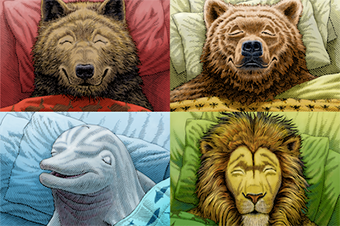
Start by understanding your chronotype
Learn what a sleep disorder actually looks like
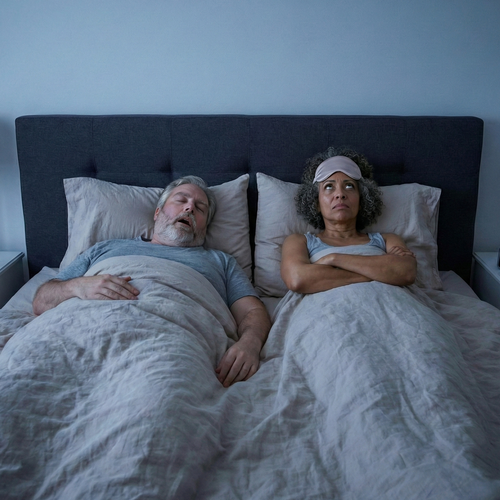
Symptoms of a sleep disorder can look different from person to person. Even when subtle, they can still signal a real issue. If any of these sound like you, getting clarity at home is an easy next step.
- Loud snoring, choking, or gasping for breath during sleep
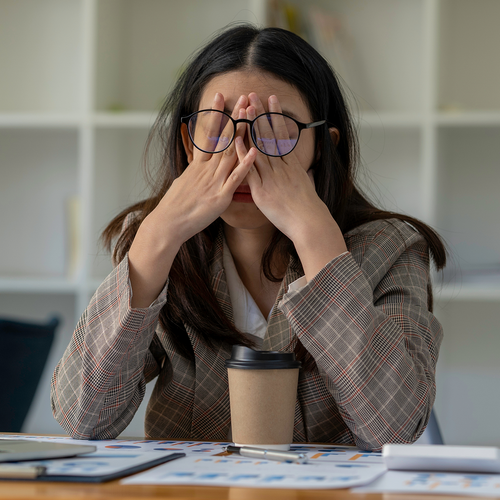
- Waking up tired no matter how much sleep you get
- Morning headaches, brain fog, or a “hungover” feeling
- Trouble focusing or staying awake mid-afternoon
- Weight gain or low energy despite good habits
Sleep products backed by Dr. Breus
These expert-curated products are designed to support how you sleep. From adjustments to your sleep environment to getting clarity about what's actually happening at night, small changes can make a big difference.
- Sleep Doctor Home Sleep Study: Clinical-level, affordable sleep analysis from the comfort of your own bed
- Orion Sleep System: Active temperature regulation technology for your mattress to maintain an optimal sleep environment
- The Power of When: A book by Dr. Breus about chronotypes and learning to interpret them for different daily activities.
- NextSense Smart Ear Buds: These ear buds use EEG sensors to detect deep sleep and deliver gentle sound pulses to enhance restorative sleep.
- Sleep Doctor Sleep Coaching: A structured coaching program designed to identify what's disrupting your nights, and show you how to fix it
Unsure where to start?

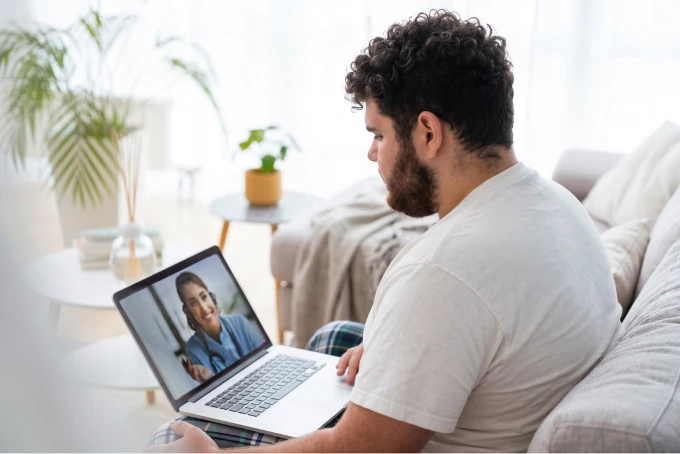
Struggling with sleep but don't know what to do next? You’re not alone. A sleep consult can help you identify issues and next steps, while a Home Sleep Study can detect whether a sleep disorder may be preventing you from getting restorative sleep.
Real people, real sleep improvement
Featured in


FAQ
Who is Dr. Michael J. Breus?
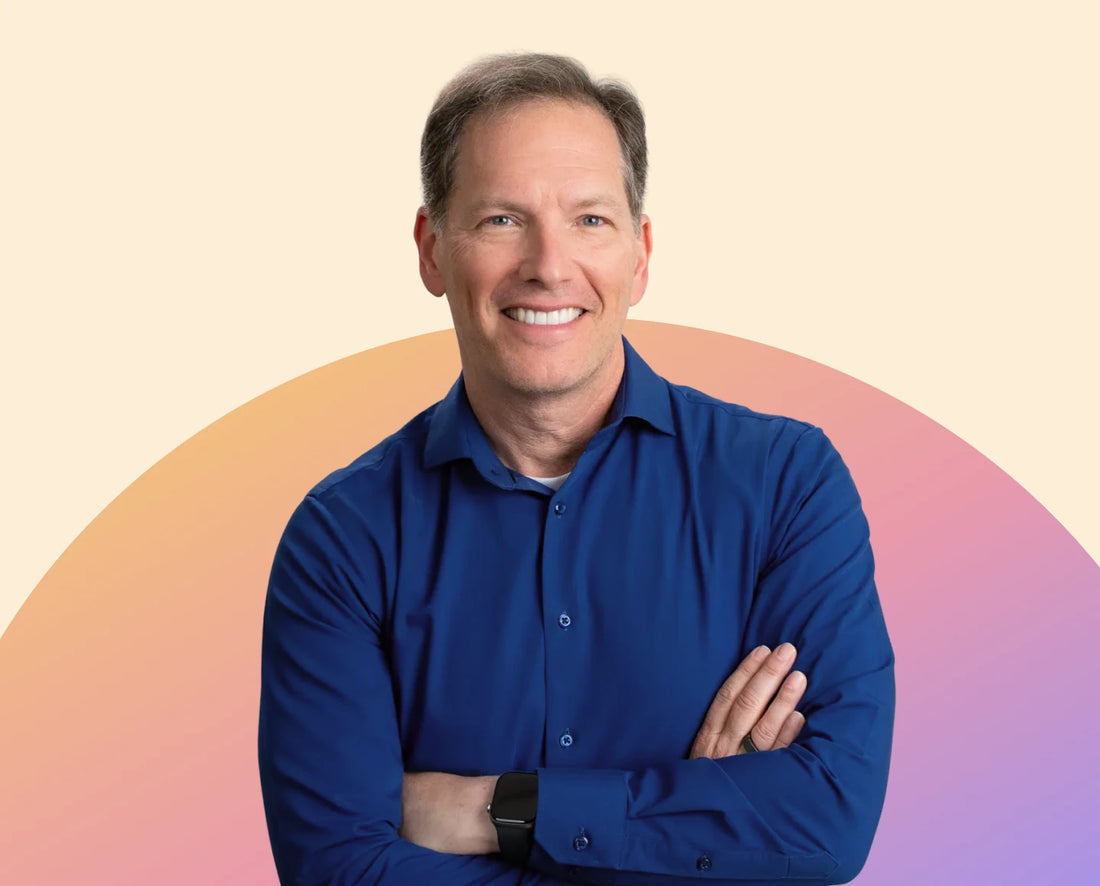
Dr. Michael J. Breus, PhD D, ABSM is the Sleep Doctor! He's a clinical psychologist and double board-certified sleep specialist who has spent decades helping people understand the science of sleep and improve their rest through practical, research-backed strategies. Dr. Breus regularly shares his expertise on national television, podcasts, and in bestselling books, and is known for popularizing the concept of chronotypes—biological sleep patterns that influence when people naturally feel alert or tired.
What is a chronotype?
Your chronotype is your body’s natural preference for when you sleep and wake. Chronotypes influence when you feel most alert, productive, or tired during the day. Understanding your chronotype can help you align your schedule with your biology. Find out your chronotype by taking the chronoquiz.
Why am I tired even when I get enough sleep?
Feeling tired despite getting enough hours of sleep can happen for several reasons, including poor sleep quality, circadian rhythm misalignment, stress, or an undiagnosed sleep disorder like sleep apnea. Testing your sleep at home with a Home Sleep Study is a good first step to reclaiming your nights.
What is a Home Sleep Study?
A Home Sleep Study is a medical evaluation you can complete at home to check for breathing disruptions during sleep, including sleep apnea. It has three points of contact on your body to track data while you sleep and measures central and obstructive sleep apnea events, true sleep time, snoring, breathing rates, oxygen saturation levels, heart rate, your body's position, and how much time you spend in each sleep stage. The device sends data to a doctor via Bluetooth, allowing them to tailor treatment options to your unique needs.
Should I start with a sleep consult or a sleep test?
If you’re unsure whether your symptoms point to a specific sleep disorder, starting with a sleep consult can help determine the best next step. If symptoms strongly suggest sleep apnea—such as loud snoring or extreme daytime fatigue—a Home Sleep Study may be recommended next step.