
Why is it harder to sleep during perimenopause?

From sudden hot flashes to broken sleep, we help provide a path to better rest

  • Test your sleep at home
  • Expert consult included
  • Treatment fit for all stages of life
60,000+ patients consulted

Get answers in three simple steps

Take back your sleep, quickly and affordably

Test to understand
your sleep issues

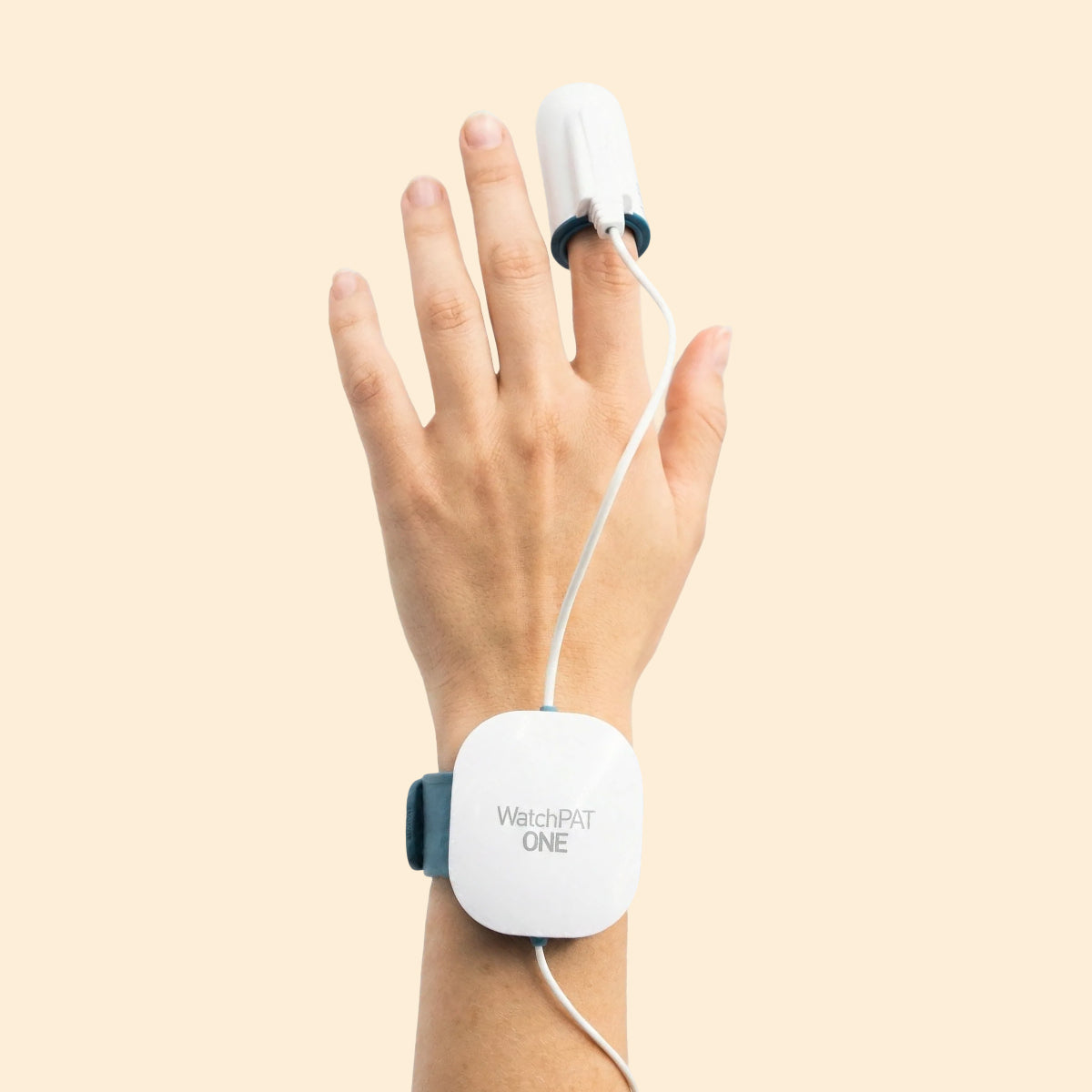
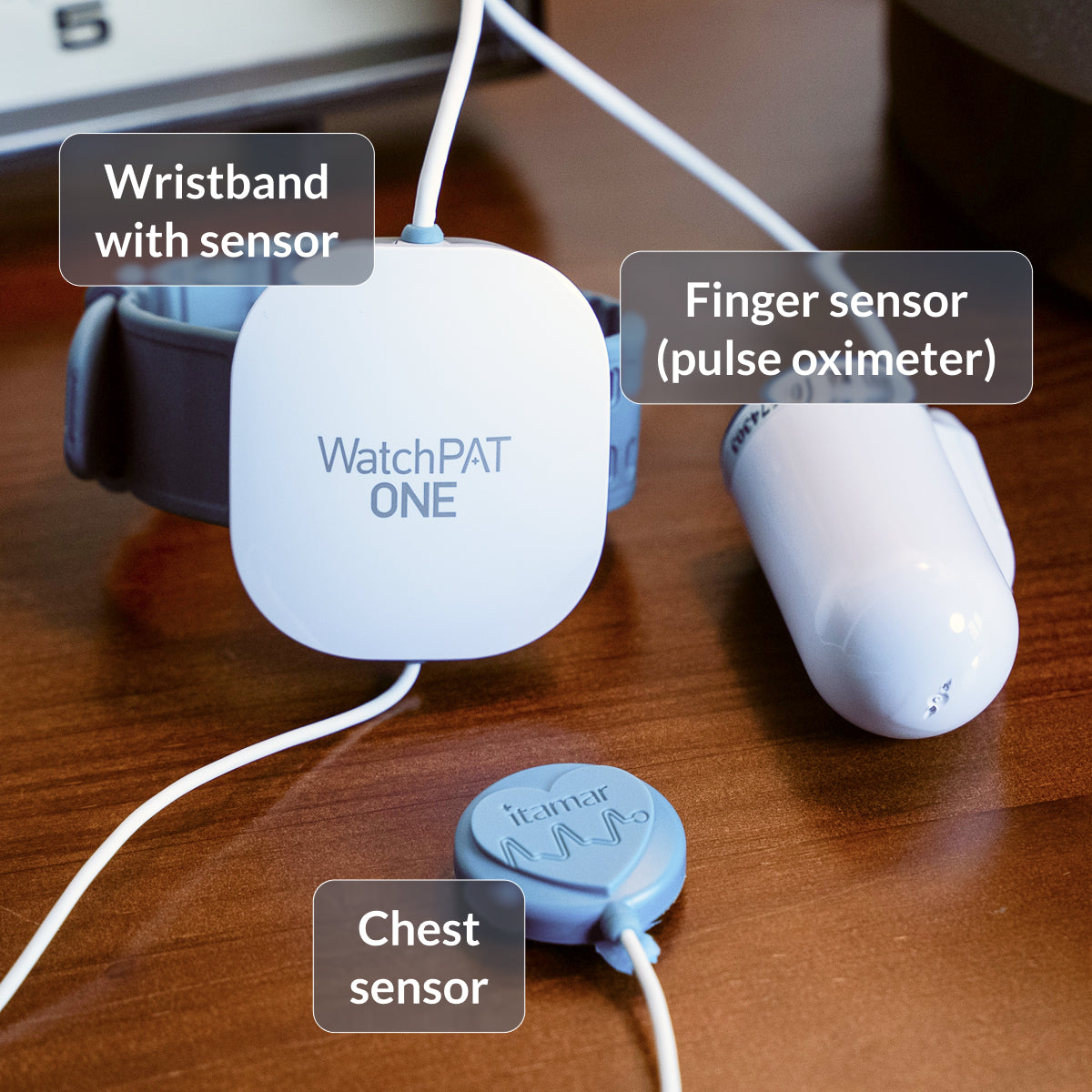
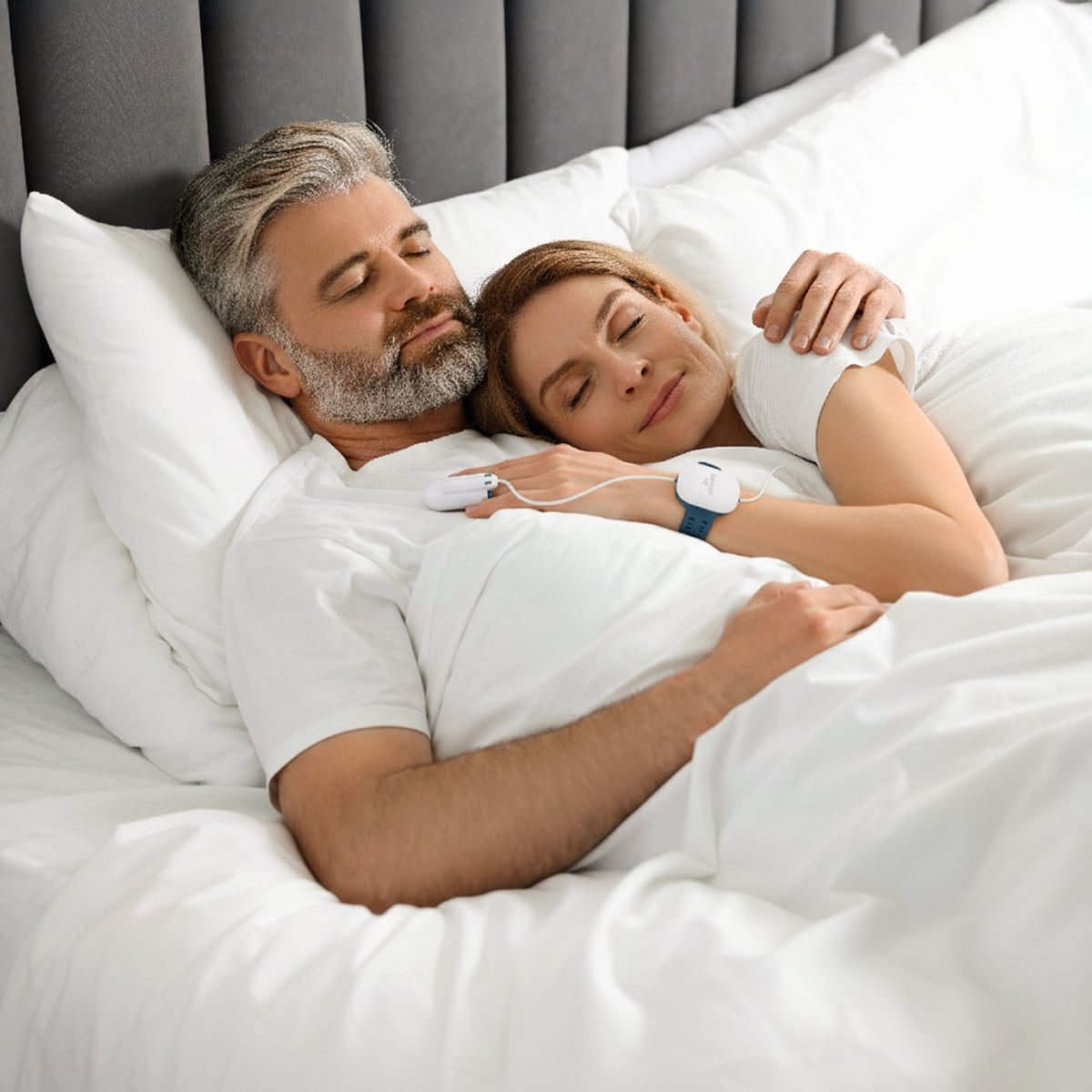
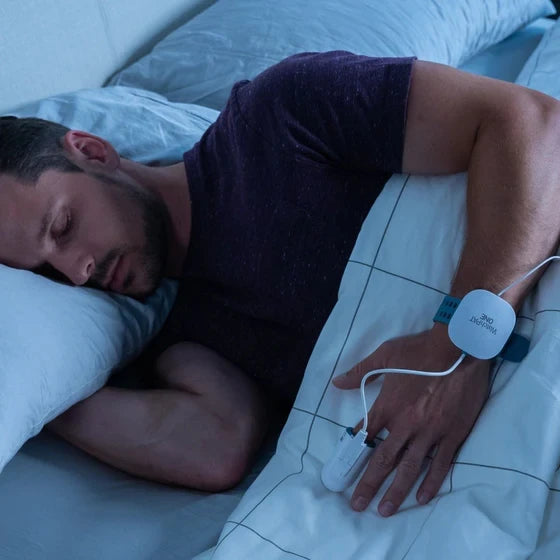
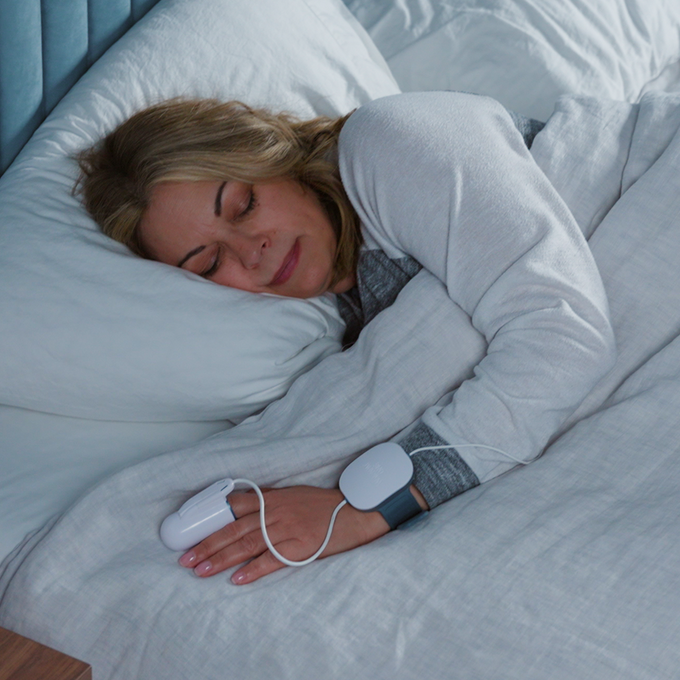
Order online, get your device in 2 days. Take your test at home while you sleep.

Results delivered
one-on-one

Review your sleep data with a licensed sleep therapist to understand your results.

Solutions and support
to fit real life

Our clinical team helps you with treatment options to get back to sleeping well.

What poor sleep can
look like for women

If this sounds like you, we can help you get clarity:

  • You wake up exhausted, even after sleeping 8 hours
  • You rely on caffeine to feel functional
  • Brain fog makes focusing harder than it should be
  • You doze off or hit a wall during the day
  • Your patience wears thin easily, leaving you irritable

Unsure where to start?

Answer a few quick questions to help you understand what may be affecting your sleep

Real patients, real results

Thousands of people have reclaimed their nights

0:00 / 0:00

Hands-on care, not AI

Our specialized clinical care team offers help that’s easy to follow and care that makes a difference

  • Diane S.

    Lead Respiratory Therapist, Sleep Disorders Specialist

  • Rachael G.

    Registered Polysomnographic Technologist

  • Scott P.

    Registered Polysomnographic Technologist

  • Tamra Y.

    Certified Respiratory Therapist, Registered Polysomnographic Technologist

  • Samantha B.

    Registered Respiratory Therapist

  • Crystal C.

    Registered Respiratory Therapist

  • Crystal Christmas

    Registered Respiratory Therapist, Sleep Disorders Specialist

  • Terri R.

    Registered Polysomnographic Technologist

  • Carrie R.

    Registered Respiratory Therapist

  • Riley R.

    Registered Respiratory Therapist

  • Savanna D.

    Registered Polysomnographic Technologist

Frequently asked questions

What can a Home Sleep Study diagnose?

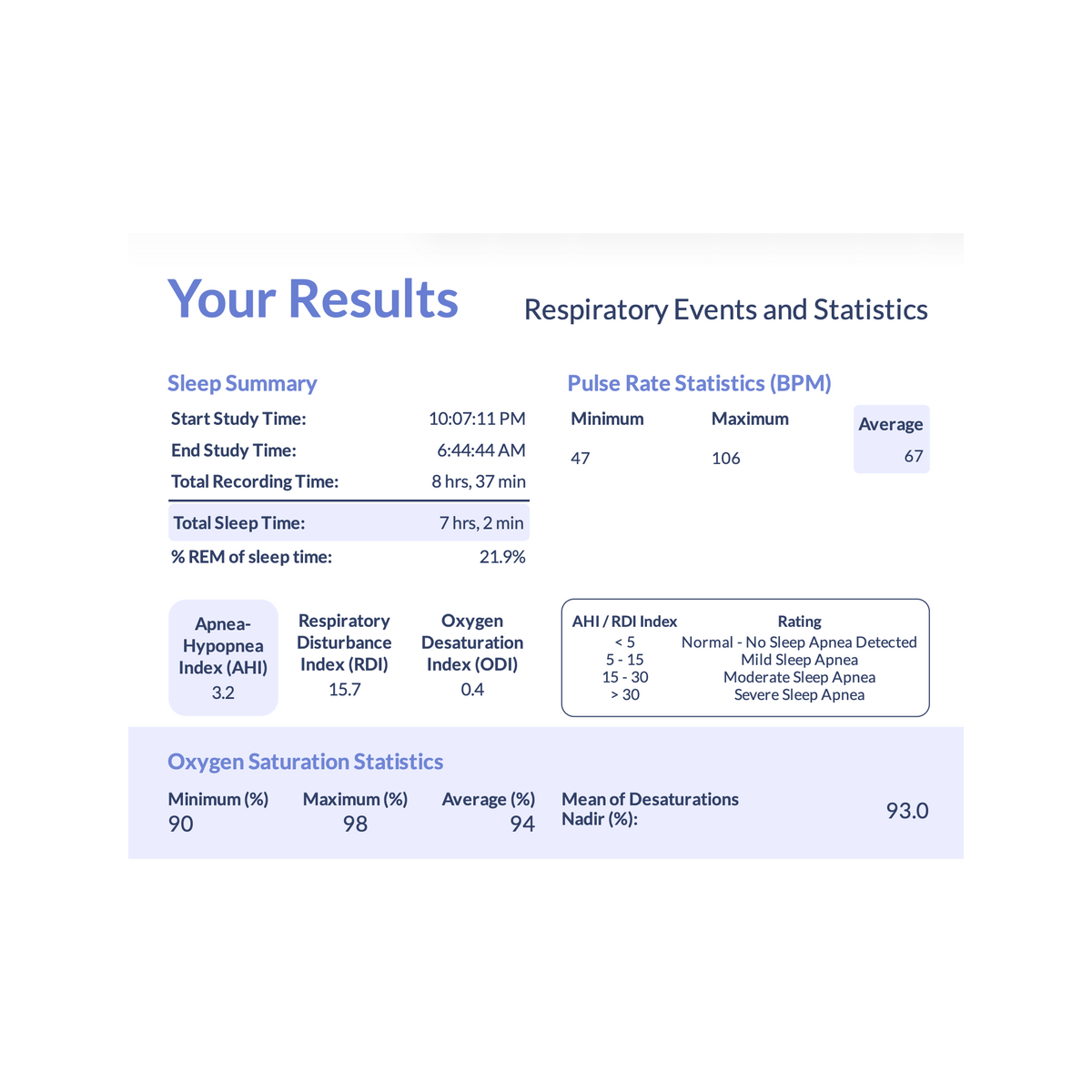
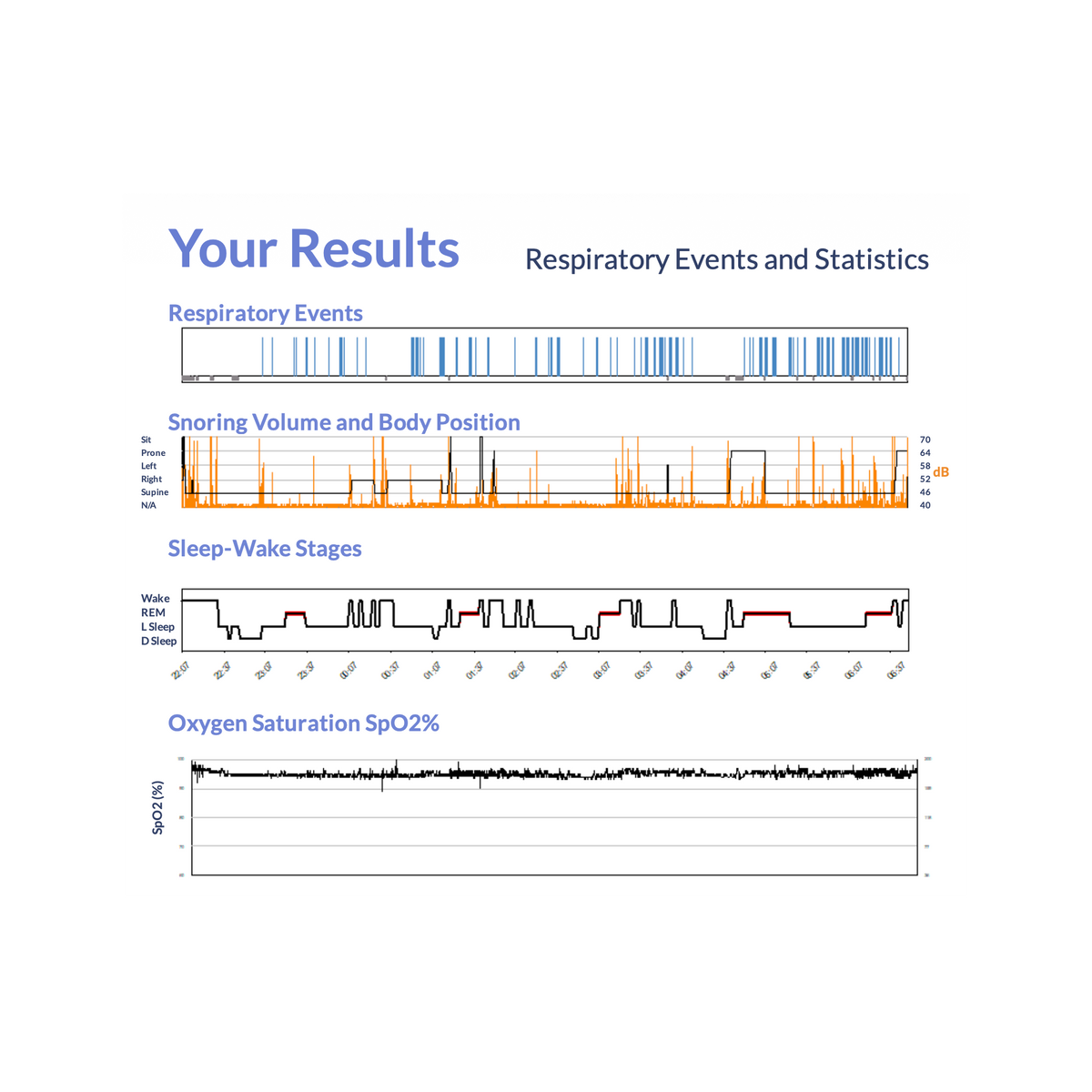
A Home Sleep Study is designed to detect obstructive sleep apnea—a sleep-related breathing disorder. It measures breathing patterns, oxygen levels, and airflow while you sleep to help identify whether disrupted breathing may be affecting your energy, focus, and long-term health.

How is this different from an in-lab sleep study?

A Home Sleep Study is completed in your own bed, on your schedule. It’s more convenient, more comfortable, more affordable, and faster to access than a lab study. In-lab studies are sometimes recommended for more complex sleep conditions. Our care team will help you determine if that’s necessary.

Why am I suddenly waking up at 3 am with my heart racing?

This is a classic sign of perimenopause. Fluctuating progesterone—your body’s natural "calming" hormone—can trigger nighttime anxiety and early morning waking

Can lack of sleep actually cause my mood swings?

Yes. Chronic sleep deprivation disrupts the delicate balance of serotonin (your "happy" hormone) and cortisol (your "stress" hormone). This makes minor frustrations feel overwhelming and causes those "unpredictable" mood swings.

Is it just insomnia, or could it be sleep apnea?

It sometimes can be both. In perimenopause, sleep apnea often "masquerades" as insomnia. You might wake up at 2:00 a.m. feeling anxious or alert, assuming it's a hormonal mood swing, when it was actually a drop in oxygen that jolted your brain awake. A home sleep test is the only way to tell if your "insomnia" is actually a breathing disruption that needs a different kind of care

Is a Home Sleep Study covered by insurance or HSA/FSA?

The Home Sleep Study is eligible for HSA or FSA reimbursement, and may be covered by insurance depending on your plan. We provide documentation to make reimbursement for eligible medical products or services purchased through Sleep Doctor straightforward.