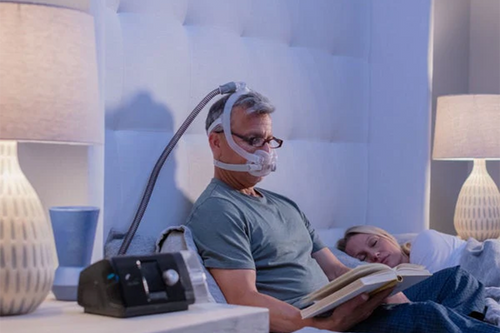
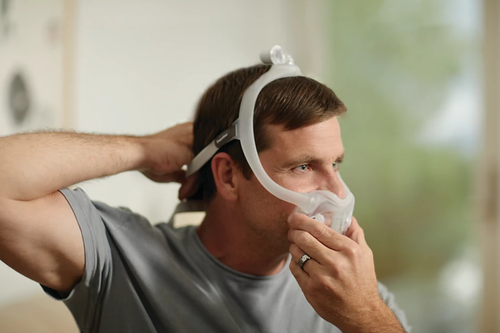
Your sleep plan, explained

AHI severity scale AHI severity scale

Everything you need to understand your results and what to do next — with expert, hands-on guidance toward better sleep.

Understanding your results

An OSA diagnosis gives us useful insight into how your body sleeps. The good news is that sleep apnea is very treatable — and many patients feel significant improvement once treatment begins.

What your AHI score means:

An AHI of 30 or more means your breathing stops at least once every 2 minutes. In many severe cases, we see scores of 60, 90, or even higher. Your body is starving for oxygen for a significant portion of the night.

RDI (Respiratory Disturbance Index):

RDI includes everything in AHI plus additional, subtler events that may not fully block your airway or drop oxygen levels, but still activate your brain and pull you out of deep sleep. RDI doesn’t have formal severity categories, but higher values mean your sleep is being disrupted more often. 

AHI defines severity; RDI shows your total sleep disruption from breathing. Both matter, but if you’re feeling tired, RDI often explains why.What your oxygen levels show:

We often see oxygen levels drop into the 80s or lower. This is a medical priority. These "dips" cause systemic inflammation and put your heart under extreme duress.

Symptoms & health implications:

  • Chronic Exhaustion: Feeling like you haven't slept at all, regardless of how many hours you were in bed.
  • Cardiovascular Danger: A very high correlation with atrial fibrillation (Afib), congestive heart failure, and stroke.
  • Mood & Mental Health: Strong links to depression and severe anxiety.

What else should you know?

Severe OSA is a serious medical condition, not just a sleep issue. The good news? Patients with severe OSA often feel the most dramatic improvement once they start treatment—it can feel like "turning the lights back on" in your brain.

Prescribed treatment options

Because of the health risks involved, we prioritize the most effective treatment immediately.

Step 1: Choose a Best Selling CPAP or BiPAP Machine

CPAP Machines

This is the gold standard for a reason. It creates a "pneumatic splint" for your throat, ensuring your airway never collapses. Modern machines are silent and heated for maximum comfort.

ResMed AirSense 11 CPAP machine with humidifier and sleek touchscreen interface.

ResMed AirSense™ 11 AutoSet With HumidAir™

From $ 1,004.00

Luna G3X Auto CPAP Machine

Luna G3X Auto CPAP Machine

From $ 858.00

BiPAP Machines

Unlike the single air pressure level of CPAP machines, bi-level positive airway pressure (BiPAP) machines change from a higher level when you breathe in to a lower level when you exhale.

ResMed AirCurve™ 10 Vauto BiPAP Machine

ResMed AirCurve™ 10 Vauto BiPAP Machine

$ 1,776.00

AirCurve 11 VAuto machine

ResMed AirCurve™ 11 VAuto With HumidAir™

From $ 1,796.00

Step 2: Choose a CPAP Mask

A CPAP machine is only as good as the seal of your mask. When choosing, consider your breathing style (nose vs. mouth), your typical sleep position, and how much "gear" you’re comfortable having on your face.

Fisher & Paykel Evora™ Full Compact Face Mask Fit Pack

Fisher & Paykel Evora™ Full Compact Face Mask Fit Pack

$ 149.00

Philips Respironics DreamWear Silicone Pillows CPAP Mask with Headgear - Fit Pack

Philips Respironics DreamWear Silicone Pillows CPAP Mask with Headgear - Fit Pack

$ 109.00

Step 3: Choose a Resupply Bundle

The last thing you want when you're finally sleeping well is to run out of supplies. Stock up now on everything you need to keep your therapy running smoothly, shipped together in one bundle.

AirSense™ 11 Basic Resupply Bundle

AirSense™ 11 Basic Resupply Bundle

From $ 80.00

ResMed AirFit™ P10 Nasal Pillow Mask Basic Resupply Bundle

ResMed AirFit™ P10 Nasal Pillow Mask Basic Resupply Bundle

From $ 171.28

Luna G3 Basic Resupply Bundle

Luna G3 Basic Resupply Bundle

From $ 72.94

Step 4: Choose a Support Plan

Patients who have ongoing support are significantly more likely to stay consistent with therapy. Choose a plan that keeps your care team in your corner.

12-Month CPAP Care Coaching Program

12-Month CPAP Care Coaching Program

$ 300.00

CPAP Care Check-In

CPAP Care Check-In

$ 50.00

Step 5: CPAP Cleaning & Care

Keeping your CPAP clean doesn't have to be complicated. The right cleaning kit makes it a two-minute routine, so there's no excuse to skip it.

CPAP Mask and Hose Cleaning Bundle

CPAP Mask and Hose Cleaning Bundle

$ 52.98

CPAP Soap Cleaning Kit

CPAP Soap Cleaning Kit

From $ 12.00

LiViliti Cleaning Bundle

LiViliti Cleaning Bundle

$ 335.00

Your sleep care team

Behind every sleep struggle is a team dedicated to helping you rest better. Your team follows your progress and is here when you need them.

Diane S.

Diane S.

Registered Respiratory Therapist

Treatment planning

Diane is a Registered Respiratory Therapist and Registered Sleep Disorders Specialist with 28 years’ experience. For the past 23 years, she’s focused on sleep medicine. She’s dedicated to helping people get the treatment they need to breathe easier and sleep more soundly by educating patients on their diagnosis and guiding them through their treatment options. When she’s not working, she spends time with her family, goes to the beach, and enjoys all things Disney.

Dr. Michael J. Breus

Dr. Michael J. Breus

Clinical Psychologist, Sleep Expert

Lifestyle and behavioral support

Michael J. Breus, Ph.D., is a double-boarded Clinical Psychologist and Clinical Sleep Specialist, a Diplomate of the American Board of Sleep Medicine, and a Fellow of The American Academy of Sleep Medicine. He was named the Top Sleep Specialist in California by Reader’s Digest, and one of the 10 most influential people in sleep. With nearly 25 years in private practice as a sleep doctor, Dr. Breus lectures globally for organizations from YPO (Young Presidents Organization) to AT&T to Tony Robbins events.

Dr. Meena Mehta, MD

Dr. Meena Mehta, MD

Sleep Doctor Medical Director
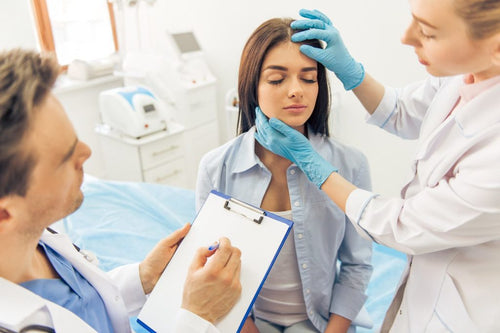
Chief Medical Officer

Board-certified in Pulmonary, Sleep Disorders and Obesity Medicine: Telemedicine Physicianlicensed in 50 states. Extensive experience in remote patient care, virtual consultations, and digitalhealth solutions to optimize treatment for obesity and sleep disorders. Over two decades ofleadership in hospital-based and telehealth medical practice, integrating advanced telemedicinetechnologies to enhance patient outcomes.

Six tips for CPAP success

Getting used to CPAP is a marathon, not a sprint. Use these steps to make the transition seamless.

1

The "Couch Rehearsal"

Don’t wait until you’re tired to try your mask for the first time. Wear it while watching TV or reading for 20 minutes during the day to get your brain used to the sensation of the air.

2

Consistency is Key

Even if you can only tolerate the mask for 3 or 4 hours at first, wear it every single night. Your brain needs repetitive "data points" to realize the mask is a helper, not a hindrance.

3

The "Ramp" Feature

If the air pressure feels too strong when you first turn it on, use the Ramp button. It starts the pressure very low and slowly increases it over 20–45 minutes as you fall asleep

4

Humidification is Your Friend

If you wake up with a dry nose or throat, we can adjust your heated tubing and humidifier settings. CPAP air should feel comfortable and moisturizing, not like a gust of wind.

5

Mask Fit Matters

Your mask should be snug, but not tight enough to leave marks. If you’re experiencing leaks or discomfort, tell your RT—there are dozens of mask styles, and we will find your "perfect fit."

6

Clean Weekly

A clean machine is a quiet, effective machine. A simple routine of mild soap and water once a week keeps the silicone soft and the air fresh.

FAQ

Is severe OSA dangerous?

Severe OSA is a serious medical condition. The good news is that it is highly treatable.

Left untreated, severe OSA is linked to substantially elevated risk of high blood pressure, heart disease, stroke, type 2 diabetes, and cognitive decline. It also increases the risk of accidents due to excessive daytime sleepiness. These risks accumulate over time, which is why starting treatment promptly — rather than waiting to see how things progress — makes a real difference in long-term outcomes.

Can my diagnosis change over time?

It can, in both directions. Sleep apnea is often positional. Your AHI may be significantly higher when sleeping on your back versus your side. Weight changes and drinking alcohol before bed can also shift a mild diagnosis toward moderate. On the positive side, effective treatment and lifestyle adjustments can meaningfully reduce your AHI.

I've been living with these symptoms for years. Why does treatment matter now?

Many patients with severe OSA have spent years unknowingly adapting to chronically poor sleep. The fatigue feels normal. The brain fog feels like just who you are. But your cardiovascular and neurological systems have been absorbing that stress the entire time.

Effective treatment doesn't just improve how you feel, it interrupts a cumulative process that, left unchecked, significantly raises your risk of serious health events. The earlier treatment begins, the better the outcomes. It's not too late, but it does matter.

What is BiPAP, and do I need it instead of CPAP?

BiPAP (Bilevel Positive Airway Pressure) delivers two different pressure levels: a higher pressure when you inhale and a lower one when you exhale, making it easier to breathe against the airflow. It's often recommended for patients with severe OSA who find CPAP pressure difficult to tolerate, or for those who have additional respiratory conditions like COPD or central sleep apnea.

Your care team will assess whether BiPAP is appropriate based on your sleep study results and how you respond to initial treatment. Many severe OSA patients do very well on standard CPAP — BiPAP is an option, not a default.

Are there surgical options for severe OSA?

Surgery is an option for some patients, though it is generally considered after other treatments have been tried. Common surgical approaches include uvulopalatopharyngoplasty (UPPP), which removes excess tissue from the throat, and hypoglossal nerve stimulation (Inspire therapy), which uses an implanted device to keep the airway open during sleep. Surgery outcomes vary considerably depending on the individual's anatomy and the cause of their OSA. For most patients, CPAP or BiPAP remains the most effective and least invasive path to consistent relief. If you're interested in exploring surgical options, your care team can refer you to the appropriate specialist.

How do I choose the right CPAP mask?

The best mask depends on three things: whether you breathe through your nose, your mouth, or both; your typical sleep position; and your personal comfort preferences. Full face masks cover the nose and mouth and work well for mouth-breathers or back-sleepers. Nasal masks and nasal pillow styles are lighter and suit side-sleepers who breathe through their nose. There are dozens of options and if your first mask doesn't feel right, tell your Respiratory Therapist and they'll help you find a better fit.

Can lifestyle changes make a meaningful difference at this severity?

Lifestyle changes, particularly weight loss, reducing alcohol, and optimizing sleep position, can lower your AHI and improve treatment outcomes, and they're always worth pursuing. However, at severe OSA levels, they will not replace the need for PAP therapy. Think of them as amplifiers: CPAP does the essential work of keeping your airway open, and healthy lifestyle habits help reduce the underlying factors that make your airway more likely to collapse. Together, they produce better results than either approach alone.

Do I have to use CPAP forever?

For most patients with severe OSA, CPAP is a long-term treatment. Not because it's the only option, but because OSA tends to be a chronic condition rather than something that resolves on its own. That said, significant lifestyle changes (particularly substantial weight loss) can sometimes reduce OSA severity enough that therapy needs change over time. Your care team will continue to monitor your results, and if your AHI improves substantially, they'll reassess your treatment needs. The goal is always the least intervention necessary to keep you safe and sleeping well.

What happens if I use CPAP some nights but not others?

At severe OSA levels, inconsistent use leaves your body exposed to significant oxygen drops and cardiovascular stress on the nights you skip. Unlike some conditions where partial treatment still provides partial benefit, sleep apnea is present every night. On nights without CPAP, your AHI returns to its baseline. Consistency is especially important here. Even if you can only manage four to five hours at first, wearing it every night builds the habit and gives your body the signal it needs to start recovering.

What is your return policy?

We want you to be completely satisfied with your purchase, so we offer a 60-night return option from the date of delivery for most of our products. Please note that exceptions apply to some items (listed below). To be eligible for a return, the product must be in new and unopened condition, unless stated otherwise. Read more details here: https://sleepdoctor.com/pages/shipping-returns?srsltid=AfmBOopg3oXj7SGAS5lzGZlB_tsiS23pt6f0yoBvTZJoZT9cDEU7GQw-#section-four

How do I track my order?

Once your order ships, you'll receive an email with tracking information. You can also track your order by logging into your account on our website.